The Quiet Work Behind Reliable Contact-Center AI
This week's strongest evidence was not another AI launch. It was a reminder that routing, handoffs, CRM records, analytics and audit trails determine whether customer work is completed correctly.
Google CCaaS 6.7 fixes, a Talkdesk analytics platform upgrade and Five9's agentic CCaaS analyst recognition show why reliable customer experience depends on handoffs, data accuracy and accountability rather than headline AI announcements.
Key Takeaways
- Google Cloud CCaaS 6.7 fixed issues that could affect virtual-agent handoffs, routing, transcripts, Salesforce records, audit visibility and queue reporting.
- Its new bulk email-status API adds useful automation, but bulk action requires item-level controls and recovery processes.
- Talkdesk began upgrading its Explore analytics platform; the change is meaningful infrastructure work, not yet proof of richer operational insight.
- Five9's analyst recognition shows “agentic CCaaS” becoming a formal competitive category, but category leadership is not customer-outcome evidence.
- This was a quieter week. No other material verified change justified recycling last week's broader trends.
1. The Handoff Is Part of the Outcome

Google released CCaaS 6.7 on August 27. Among its fixes was an issue in which a chat escalated from a virtual agent to a person could become stuck in the queue and never be offered successfully.
That is more than a technical defect.
The AI may have recognized that it needed help. The routing system may have recorded an escalation. The organization may even have counted the interaction as successfully contained until that point.
But the customer still did not reach the person who could finish the work.
The same release fixed call-cascade availability safeguards that were not enforced on terminal queue paths, causing agents to receive calls from secondary queues when primary-queue availability fell below its configured minimum. It also fixed a wait-time API that incorrectly reported zero available agents for chat queues.
These issues show why contact centers need to test the complete journey—not only the AI response or the primary routing path.
SourceGoogle Cloud Contact Center AI Platform release notes
What This Means
An escalation is not successful because the AI invoked the escalation step. It is successful when the customer reaches the right person with the right context and the work continues.
Track:
- Escalations initiated
- Escalations offered
- Escalations accepted
- Time between each state
- Context preserved
- Customer restarts and abandonment
- Final resolution
A handoff is not complete when one system releases the work. It is complete when the next owner receives it and the customer's issue moves forward.
2. Reporting Accuracy Is Operational Control
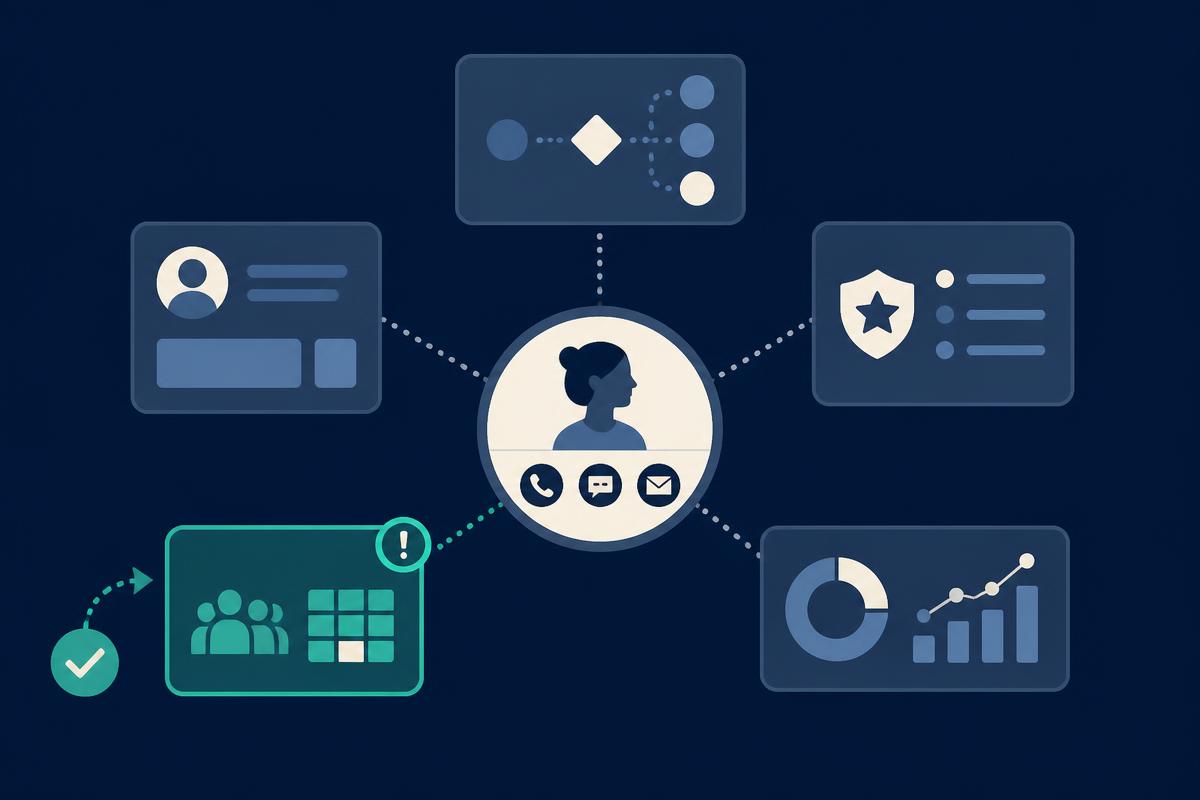
Google also fixed issues affecting the evidence leaders use to manage operations.
Outbound Salesforce calls were incorrectly labeled as inbound, and the platform call ID was not passed into Salesforce case comments. Supervisor messages could be attributed to the customer in Customer Experience Insights transcripts. Operating-hours changes did not appear in the Audit Dashboard. Some chat and queue states were displayed incorrectly.
Any one of these defects can distort a different part of the operation:
- WFM may forecast from misclassified work.
- QM may evaluate the wrong speaker or incomplete evidence.
- Operations may investigate an inaccurate queue state.
- Compliance teams may find an incomplete audit trail.
- CRM users may be unable to connect a case entry to the underlying interaction.
The release notes confirm the fixes. They do not disclose how many customers were affected or whether historical records require correction.
SourceGoogle Cloud Contact Center AI Platform release notes
What This Means
Dashboard accuracy should not be assumed because the dashboard loads.
Leaders should reconcile a sample of interactions across the ACD, CRM, QM, WFM and analytics systems. Confirm direction, queue, agent, timestamps, identifiers, disposition, speaker attribution and final state.
This is especially important after releases, integration changes and routing redesigns.
If the underlying event is wrong, a polished dashboard only makes the wrong conclusion easier to trust.
3. Bulk Automation Needs Reconciliation
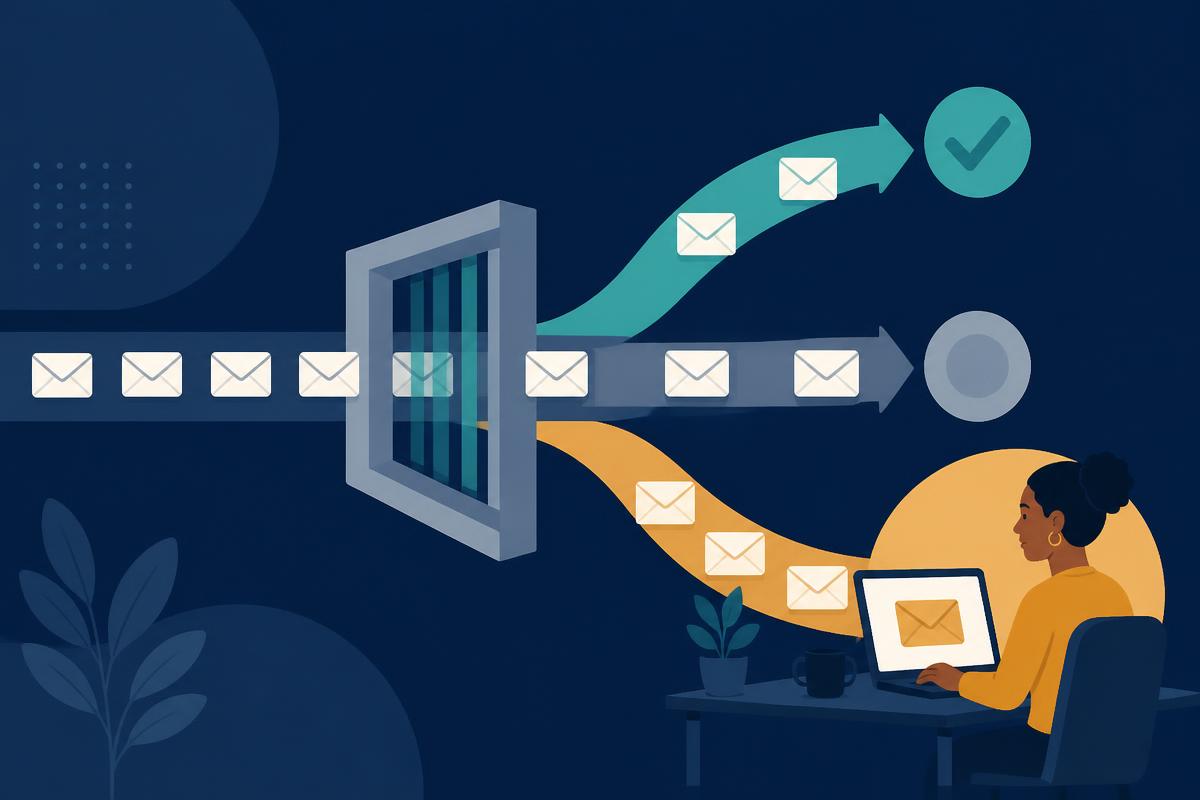
The primary new feature in Google Cloud CCaaS 6.7 is an API endpoint for changing the status of multiple email sessions.
The endpoint can check the expected current status before making a change and reports whether each email session was updated, required no change or failed—and why. That item-level response is operationally important because bulk processes rarely fail as one clean unit.
SourceGoogle Cloud Contact Center AI Platform release notes
What This Means
Bulk automation can eliminate repetitive work. It can also multiply the effect of bad logic.
Before using it at scale, define:
- Who can initiate the action
- Which state transitions are allowed
- How expected-state checks are used
- Where partial failures go
- Who reconciles exceptions
- How an incorrect update is reversed
- What audit evidence is retained
- How downstream SLAs and customer commitments are protected
The outcome is not the number of records updated. It is accurate work progression without hidden exception debt.
4. Analytics Platforms Are Being Rebuilt Beneath the Dashboard
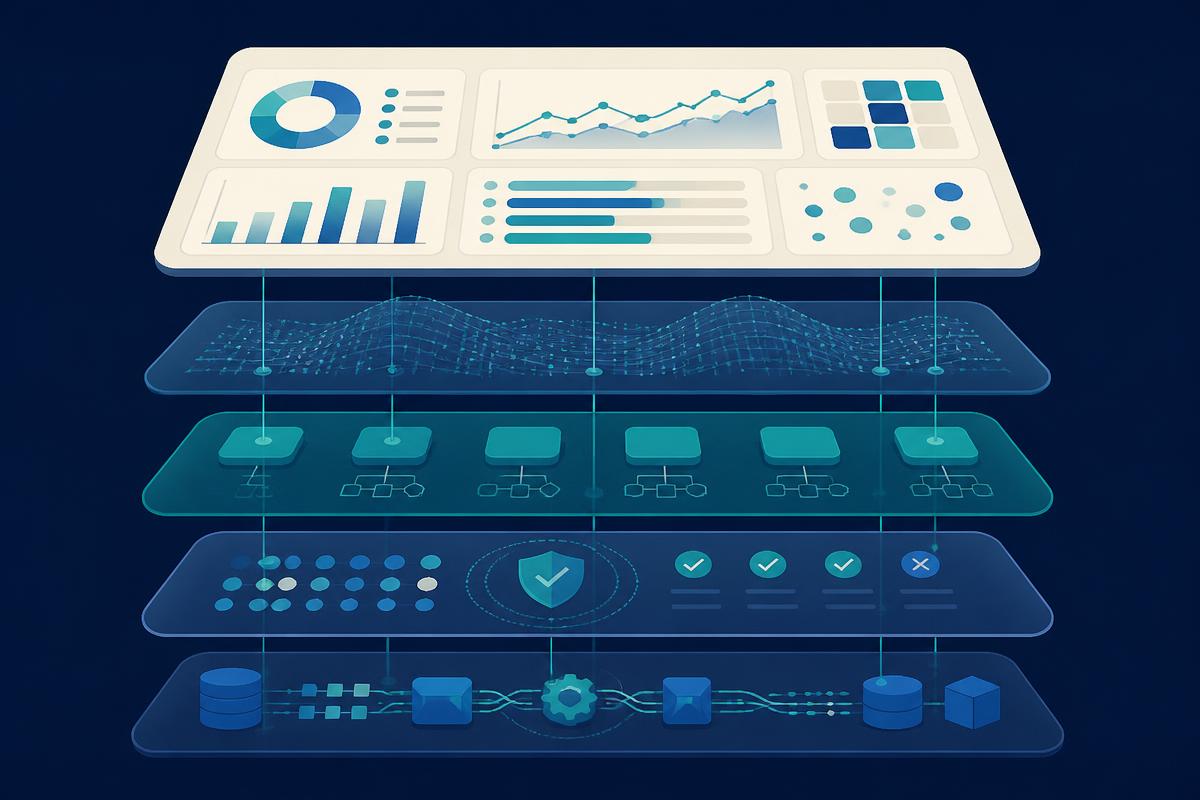
Talkdesk began a progressive upgrade of Explore on August 24. The vendor says the change moves reports and dashboards to a fully supported platform version and creates a foundation for future enhancements, including richer historical analytics.
SourceTalkdesk Explore release notes
This is meaningful maintenance. Analytics platforms must remain supported, performant and consistent as interaction volume, channels and data complexity grow.
It is also important not to overstate what changed. The release note describes infrastructure groundwork. It does not establish that customers already have richer analysis or improved outcomes.
What This Means
During a progressive analytics upgrade, validate:
- Metric definitions before and after rollout
- Historical continuity
- Filters and time-zone behavior
- Exports and APIs
- Dashboard load and refresh times
- Scheduled report delivery
- Role-based access
- Reconciliation to source systems
An analytics upgrade succeeds when leaders can make more reliable decisions—not merely when the migration completes.
5. Agentic CCaaS Is Becoming a Buying Category

Five9 announced on August 26 that IDC named it a Leader in a 2026 assessment of worldwide agentic Contact Center as a Service platforms.
SourceFive9 news releases
The larger signal is the category itself. Agentic capability is moving from product language into analyst evaluations and buying conversations.
But an analyst position is not proof that an AI agent resolved a customer's issue, reduced rework or lowered total cost. Buyers should examine the full report, methodology and references—and then validate the platform in their own workflows.
What This Means
Ask vendors to demonstrate:
- Action accuracy, not only response quality
- Verified resolution, not only containment
- Failed-action detection and recovery
- Human escalation with preserved context
- Tool permissions and policy boundaries
- Traces and auditability
- Repeat demand and correction work
- Workforce and back-office impact
- Cost per successful resolution
Agentic capability becomes operational value only when the organization can prove what the agent did, what happened next and whether the customer's problem was actually resolved.
Quality Management and Workforce Implications
This week's evidence matters to QM and WFM even though no major new QM or WFM product launch dominated the news.
QM should evaluate the system around the interaction. A transcript with incorrect speaker attribution can create an inaccurate score. A failed AI-to-human handoff can appear to be an agent or customer behavior problem. A missing CRM identifier can break the evidence chain.
WFM should verify the data feeding forecasts and intraday decisions. Incorrect direction labels, queue availability or state reporting can distort volume, workload, occupancy, service level and staffing assumptions.
Employees should not be held accountable for failures created by routing rules, integrations, platform defects or incomplete records.
Questions Leaders Should Ask
- Can we prove that every AI-to-human escalation was offered, accepted and completed?
- Do interaction direction, queue, agent and disposition match across the ACD, CRM, QM, WFM and analytics systems?
- Can we identify and reconcile every partial failure from a bulk action?
- Have analytics upgrades preserved historical definitions and comparisons?
- Are QM scores affected by transcript attribution or missing context?
- Are WFM decisions built on reconciled source data?
- When a system defect creates customer or employee work, who owns the correction?
- Are agentic-AI claims tied to resolution, repeat demand, rework, cost and governance?
The Ownership Gap™ Perspective
The contact center does not fail only at the visible moment when an answer is wrong.
It can fail when a handoff is stuck, a queue safeguard is bypassed, a transcript assigns the wrong speaker, a CRM record misclassifies the interaction, an audit event disappears or a dashboard reports the wrong state.
Those failures often sit between teams and systems. Each component may appear to have completed its step while no one owns the complete outcome.
This week's lesson is simple:
AI accountability depends on operational integrity.
The model, routing, workflow, CRM, analytics, QM and WFM data must all support the same result. If they do not, automation may move faster while accountability becomes harder to see.
Conclusion
This was not a week for another sweeping claim about the future of customer service.
It was a week that exposed the quiet work required to make modern contact centers reliable: correct handoffs, accurate records, supported analytics, controlled bulk actions and evidence that survives across systems.
That work is less visible than an AI launch. It is also where customer outcomes are often won or lost.
Sources and Further Reading
Research reviewed through August 28, 2026. Product availability can vary by deployment schedule, license, geography, language and configuration. Vendor and analyst claims should be validated in each organization's environment against resolution, repeat demand, rework, customer effort, employee impact, total cost, governance and compliance requirements.
Share and keep reading
About the Author
Operational Intelligence and AI-powered customer experience leader with more than 20 years of experience across contact center operations, workforce management, customer experience strategy, product marketing, competitive intelligence, and enterprise transformation. Creator of The Ownership Gap™.