AI Accountability Needs More Than an Owner
New contact-center controls for access, traces, reporting and rollback show what operational governance actually requires
A vendor-commissioned CIO survey, Genesys permission and rollback controls, Google prerelease routing and reporting fixes, Cisco's still-pending AI dashboards and Amazon Connect active-region routing show why accountability requires access, traceability, authority and a recovery path.
Key Takeaways
- A new vendor-commissioned survey suggests CIOs are often blamed for AI-agent failures even when authority is distributed elsewhere.
- Genesys added practical governance controls for sensitive recordings, third-party audio streams, AI-agent diagnostics and business-rule rollback.
- Google's prerelease notes show that routing, reporting, accessibility and language defects can undermine both the customer experience and the management record.
- Cisco's planned AI-agent dashboards add useful operational measures, but the documentation still did not confirm general availability—and the measures do not prove resolution.
- The Ownership Gap appears when accountability is assigned to a person who cannot change the systems, policies and workflows that created the result.
The contact-center AI conversation often starts with capability: what the agent can answer, automate or complete.
This week's evidence points to the harder question: Can the organization control, trace, reverse and recover the work when something goes wrong?
That question reaches far beyond the model. It includes permissions, recordings, third-party streams, knowledge, routing, decision logic, reporting, regional architecture, human escalation and customer recovery.
1. Accountability Is Concentrating Faster Than Authority
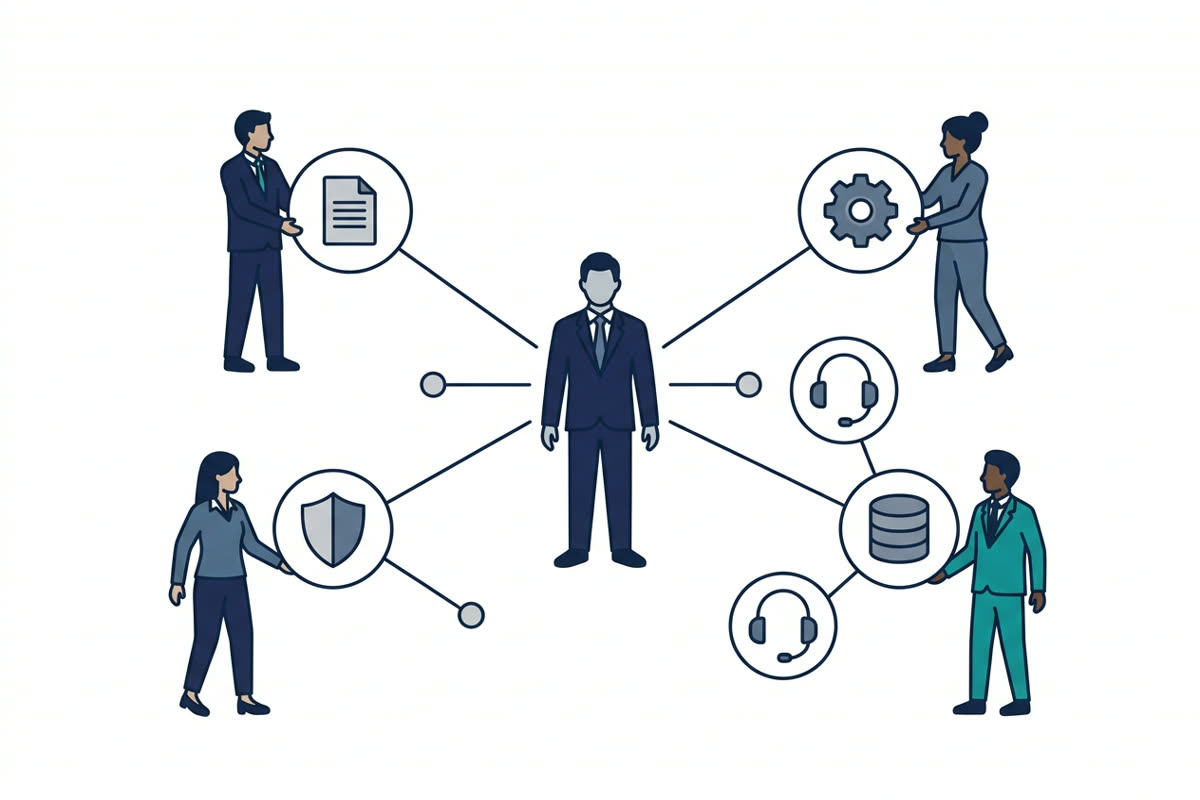
An 8x8-commissioned survey published September 8 asked 2,501 CIOs and CTOs in the United States, United Kingdom, France, Australia and Ireland about AI-agent accountability and technology decisions. The research was fielded by Censuswide in July 2026.
Fifty-two percent of respondents said the CIO is held accountable when an AI agent makes a mistake. Sixteen percent pointed to customer-service leadership and 6% to legal or compliance. The same survey found that 82% considered the location of AI infrastructure material to vendor selection: 30% called it a primary factor and 52% one of several critical factors.
Read the 8x8 survey release: 8x8: CIOs Carry the Blame for AI Failure — Often Without the Authority to Prevent It (Sep. 8, 2026)
These are vendor-commissioned, self-reported findings from technology executives. They should not be generalized as a neutral measure of every organization's governance model. They do, however, identify a credible operating question.
What This Means
Accountability without authority is not governance. It is a naming exercise.
If the CIO is responsible for the failure but customer service owns the workflow, legal owns the policy, security owns access, data teams own the sources and a vendor controls the model, the organization has assigned blame without creating control.
Leaders should map decision rights for:
- AI actions and transaction limits
- Knowledge and policy changes
- Model and vendor selection
- Customer disclosure and consent
- Human escalation
- Incident response and customer recovery
- Suspension and rollback
The person who owns the outcome must have the authority to change the system that produces it.
2. Governance Is Becoming a Set of Product Controls
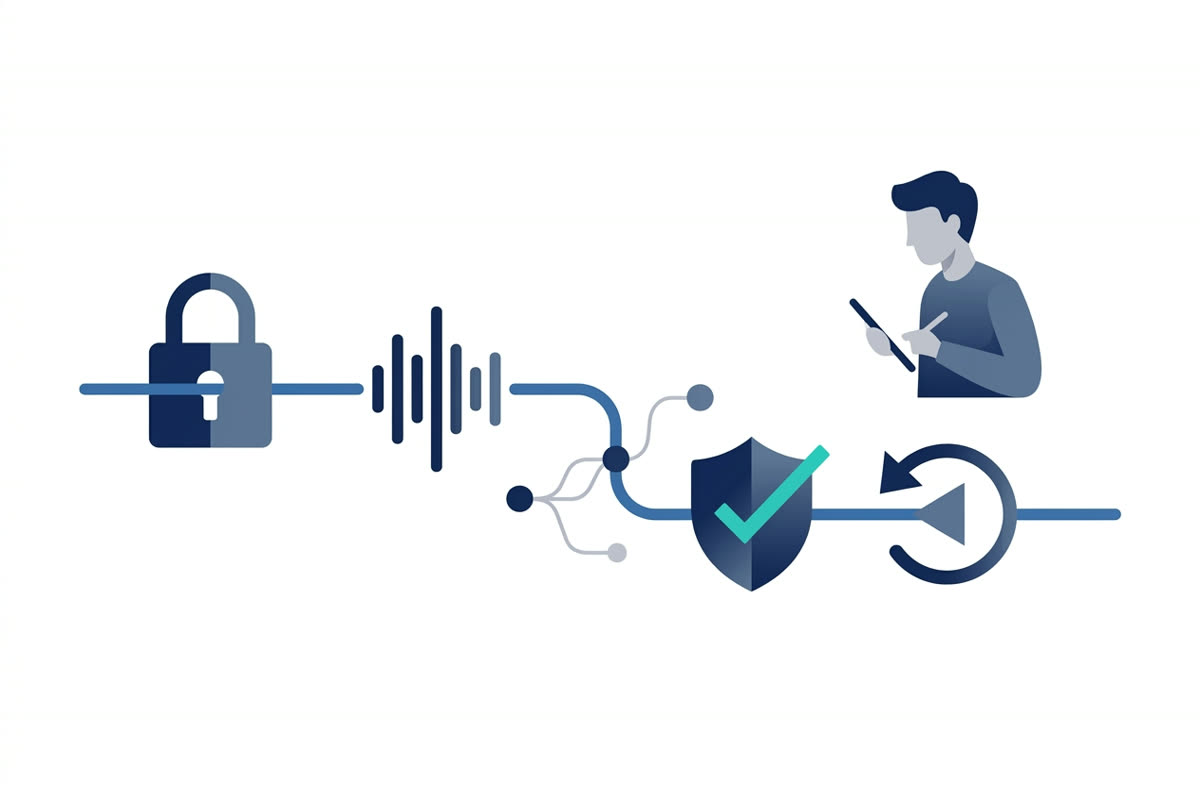
Genesys Cloud's September 7 release included several controls that are easy to overlook individually but meaningful together.
Administrators can now separate permission to stream ACD voicemail from permission to download it. They can assign particular queues to particular AudioHook integrations, limiting which interactions are streamed to each external endpoint. Genesys also raised the maximum number of AudioHook integrations per organization from five to 20.
See the Genesys September 7 release: Genesys Cloud release notes — September 7, 2026
For its Agentic Virtual Agent, Genesys added turn-level metadata to utterance history, including tool-call names and status, knowledge-call metadata, data-action metadata and guardrail outcomes. For decision tables, administrators can now view version history, save snapshots and roll back to an earlier version.
Feature availability may vary by license, region and rollout schedule. These release notes establish capability—not customer adoption or business value.
What This Means
Governance becomes operational when people can answer:
- Who could hear, download or send the interaction?
- Which queue sent audio to which third party?
- Which tool did the AI call, and did it succeed?
- Which knowledge or data action influenced the response?
- Which guardrail fired?
- What business rule was active?
- Can the change be reversed safely?
Quality Management should use this evidence to evaluate more than conversational style. An AI interaction can sound excellent while calling the wrong tool, using the wrong rule or changing the wrong record.
3. Small Platform Defects Can Create Large Ownership Gaps
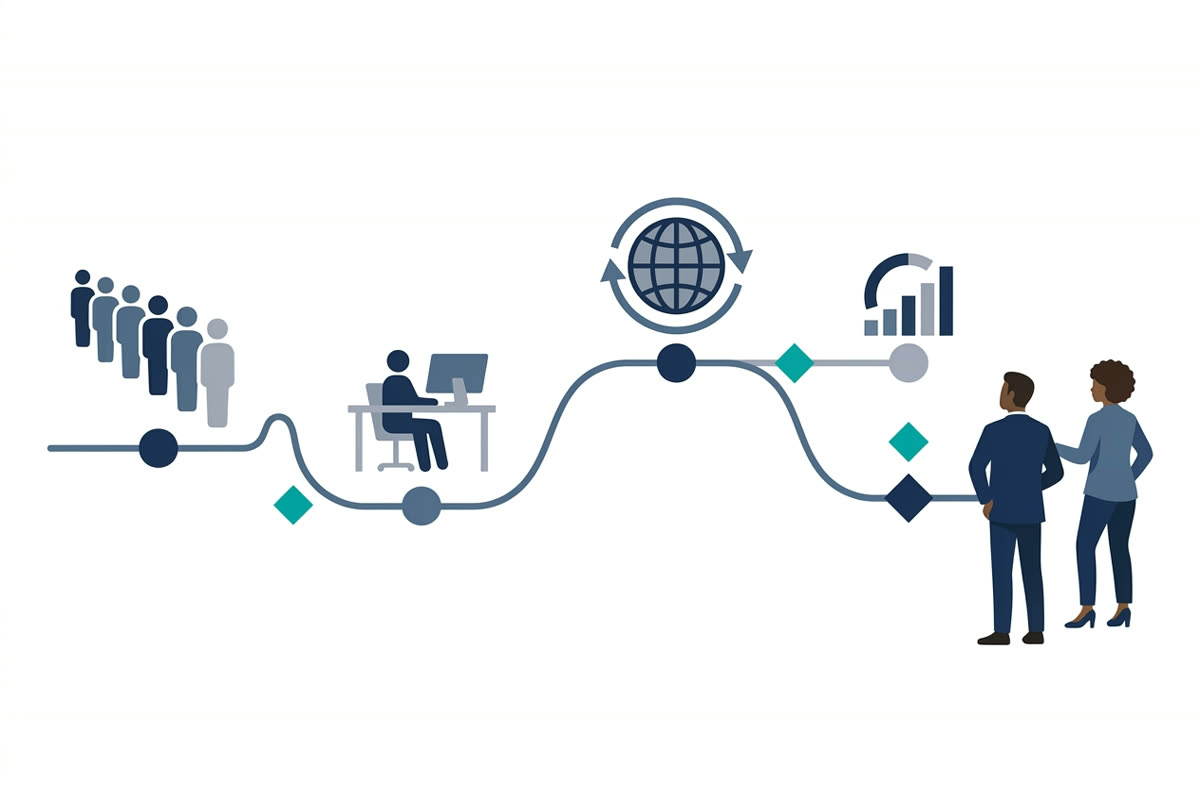
Google Cloud's September 9 prerelease notes for CCaaS 6.12 describe a change that would automatically resume a cold-transferred call when the receiving agent answers. Without it, the agent may need to remove the caller from hold manually—creating avoidable silence at a critical handoff.
The same prerelease includes fixes for transient routing lookups that could send calls to default queues or block chats; incomplete configurations that could suppress call controls; mismatched language after a cross-language transfer; Web SDK initialization failures tied to cached temporary assets; and an accessibility defect that placed keyboard focus on static chat text.
Review the Google Cloud CCaaS release notes: Google Cloud Contact Center as a Service release notes
Google's September 8 prerelease notes for Advanced Reporting 6.4 include fixes for incorrect average queue time, after-hours deflection attribution, queue totals, wait time after answering-machine detection and unmanaged-queue data appearing in reports.
These are prerelease notes. The capabilities are not yet proof of general availability, and Google states that final versions may differ.
What This Means
Routing and reporting defects are not merely technical housekeeping.
They can determine:
- whether a customer reaches the right team;
- whether a transfer preserves momentum or produces silence;
- whether a chat is offered at all;
- whether an employee can access required controls;
- whether assistive-technology users can navigate the desktop;
- whether leaders trust the wrong queue-time or deflection result.
QM teams should tag system-caused failures separately from employee behavior. WFM teams should verify that demand, queue time and deflection data are reliable before changing staffing. Product and engineering teams should connect defect records to customer effort, repeat contact and recovery work.
A clean dashboard cannot repair a broken handoff—and an inaccurate dashboard can hide it.
4. AI Dashboards Still Need a Resolution Layer
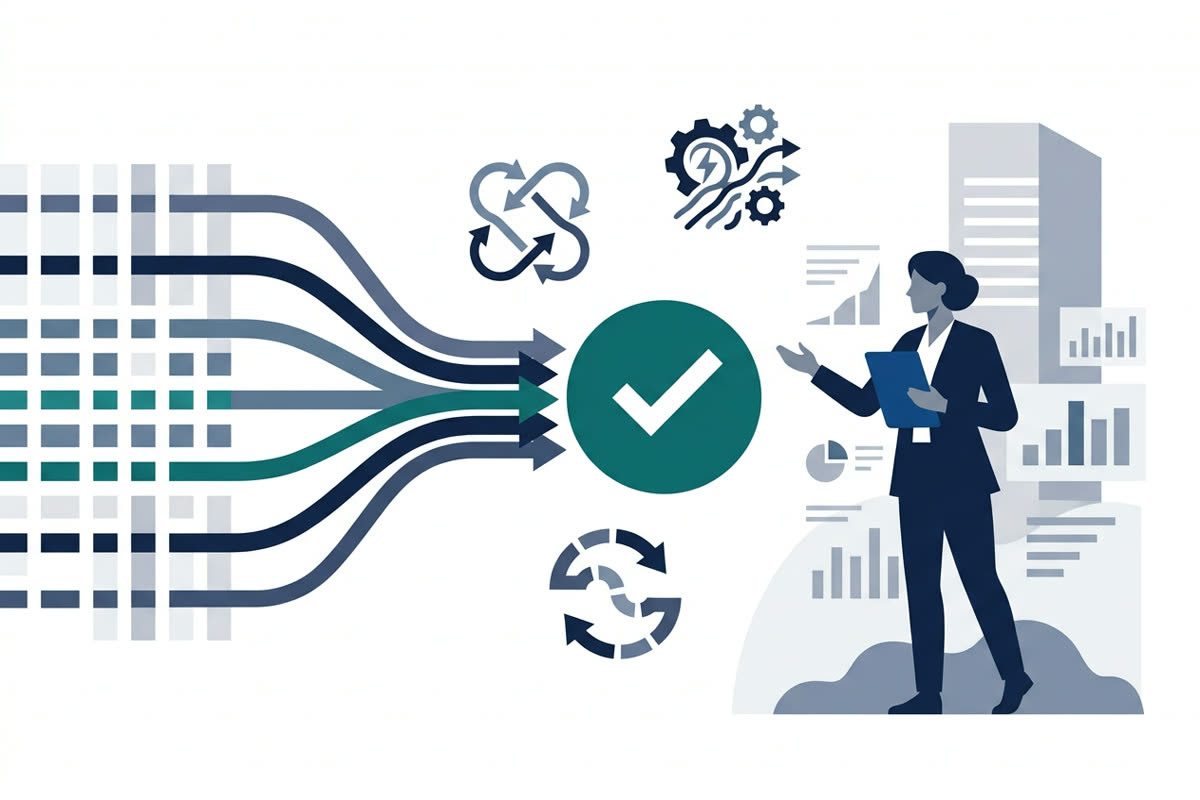
Cisco's supervisor documentation, updated September 10, lists planned AI-agent reporting in Analyzer. Proposed measures include containment, escalation, error, abandonment, average session duration, response time, channel and language, with an expected general-availability date of September 7.
However, the update remained in the “coming soon” section rather than the available-feature list. Organizations should verify actual availability in their tenant before treating it as released.
See Cisco's supervisor documentation: Cisco Webex Contact Center — What's new for supervisors
The planned measures are useful. They can show where automation fails, hands off or consumes time. They still stop short of confirming the customer's outcome.
What This Means
Containment is not resolution. A session without escalation may still leave the customer confused, force a later contact or create correction work elsewhere.
Pair AI operational measures with:
- verified task completion;
- repeat contact within a relevant window;
- reopened cases and restarted journeys;
- customer effort;
- complaint or recovery activity;
- human handling time after escalation;
- downstream corrections;
- cost per successful resolution.
Sentiment and predicted satisfaction can help prioritize review, but they remain inferences. A calm customer may still be unresolved, and a frustrated customer may ultimately receive the right outcome.
5. Resilience Must Include the Operating Model
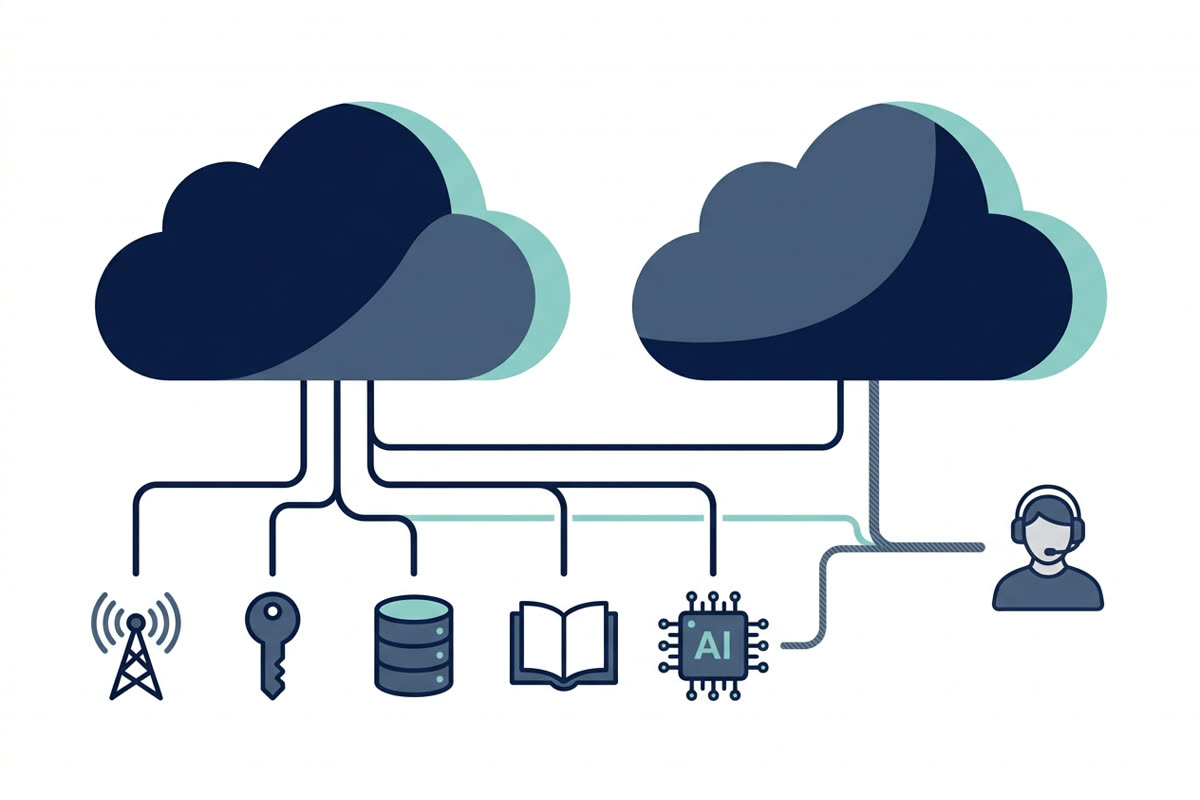
Amazon Connect's September release notes describe active-active routing across paired regions for its Global Resiliency configuration. New instances created on or after September 1 have unified routing, analytics and contact search enabled by default, while existing instances can opt in by request.
See Amazon Connect release notes: Amazon Connect Customer release notes
This was released before this week's research window, so it is a continuing development rather than new weekly news. It is still relevant to the accountability theme.
What This Means
Two active regions do not automatically create an operationally resilient service.
Leaders still need to test:
- capacity when one region absorbs the workload;
- dependencies that do not fail over with the platform;
- CRM, identity, carrier, knowledge and AI-model availability;
- preservation of recordings, traces and customer context;
- supervisor visibility during failover;
- manual operating procedures;
- customer communication and recovery.
Architecture can provide redundancy. Operations must prove recoverability.
Trends Gaining Meaningful Traction
Permissions are becoming more granular
Organizations are gaining finer control over recordings, streams, queues and actions. The value depends on disciplined configuration, review and audit.
AI traces are moving closer to operational users
Tool calls, guardrail outcomes and turn-level metadata are beginning to support investigation. The next requirement is connecting those traces to customer and business consequences.
Rollback is becoming part of AI safety
Version history and snapshots help teams recover from bad rule changes. Similar reversibility is needed for prompts, knowledge, permissions, routing and model versions.
Sovereignty is becoming a buying criterion
Vendor-funded survey evidence suggests infrastructure location is now part of selection decisions. Buyers should translate the label “sovereign” into exact data flows, legal control, subprocessors and portability.
Claims and Risks Requiring Caution
- A feature release is not deployment evidence.
- A survey about accountability does not create an accountable operating model.
- More AI telemetry does not prove accuracy or resolution.
- Finer permissions do not help if default roles remain broad or access reviews are weak.
- A rollback button does not replace change control, testing or incident response.
- A prerelease fix should not be counted as a production improvement.
- Regional redundancy does not cover every carrier, CRM, identity, data or model dependency.
Questions Leaders Should Ask
- Who is held accountable when an AI agent makes an error—and what can that person actually change?
- Can we trace every consequential tool call, data action, knowledge source and guardrail result?
- Can we roll back prompts, rules, knowledge and routing changes quickly?
- Who can stream, download, export or send customer recordings to third parties?
- Do our QM forms distinguish employee behavior from system-caused failure?
- Are routing, queue-time and deflection metrics accurate enough to support WFM and investment decisions?
- Are planned vendor features being represented internally as if they are already available?
- Do containment and escalation reports connect to repeat contact, rework and verified resolution?
- Where does interaction and AI data travel, which subprocessors receive it, and how can we exit?
- Have we tested recovery across technology, people, policy and customer communication—not only infrastructure failover?
The Ownership Gap™ Perspective
The clearest gap this week is the space between being answerable for a result and being able to control it.
A CIO cannot own an AI outcome alone when the outcome depends on customer-service policy, knowledge, workflow design, third-party integrations, legal requirements, frontline recovery and vendor behavior.
A supervisor cannot improve quality if the system hides the tool call, misattributes the queue time or scores the employee for a routing defect.
A resilient platform cannot guarantee resilient service if identity, data, carriers, CRM or operating procedures fail around it.
The answer is not to spread responsibility so widely that no one owns the result. It is to give one accountable owner the authority, evidence and cross-functional mechanism required to act.
Conclusion
This week's releases are a reminder that trustworthy contact-center AI will be built through operational details: who can access sensitive data, what the AI did, which rule was active, whether a change can be reversed, whether a transfer worked and whether the management record is accurate.
The organizations that lead will not merely assign an owner. They will equip that owner to see the complete journey, change the system and verify the customer's outcome.
Sources and Further Reading
- 8x8: CIOs Carry the Blame for AI Failure — Often Without the Authority to Prevent It (Sep. 8, 2026)
- Genesys Cloud release notes — September 7, 2026
- Google Cloud Contact Center as a Service release notes
- Cisco Webex Contact Center — What's new for supervisors
- Amazon Connect Customer release notes
- European Commission: Safer and more transparent AI
Research reviewed through September 11, 2026. Product availability may vary by license, language, region, configuration and deployment schedule. Prerelease and coming-soon items are not generally available unless their vendor confirms otherwise. Survey results and vendor claims should be validated against each organization's environment, customer population, governance model and measurement method. Sentiment, containment, automation volume and predicted satisfaction are not substitutes for verified resolution.
Share and keep reading
About the Author
Operational Intelligence and AI-powered customer experience leader with more than 20 years of experience across contact center operations, workforce management, customer experience strategy, product marketing, competitive intelligence, and enterprise transformation. Creator of The Ownership Gap™.